
6 Critical Things to Know Before Buying a Plex or Income Property

6 Essential Things to Know Before Buying a Multi-Unit Property

Buying a multi-unit property is a strategic decision for those looking to invest in residential real estate. In addition to generating stable rental income, this type of property can help build long-term financial security for retirement. However, before taking the leap, it’s crucial to understand the specific responsibilities and requirements associated with this type of investment. Here are the key insights to guide you.

1. What Is a Multi-Unit Property?

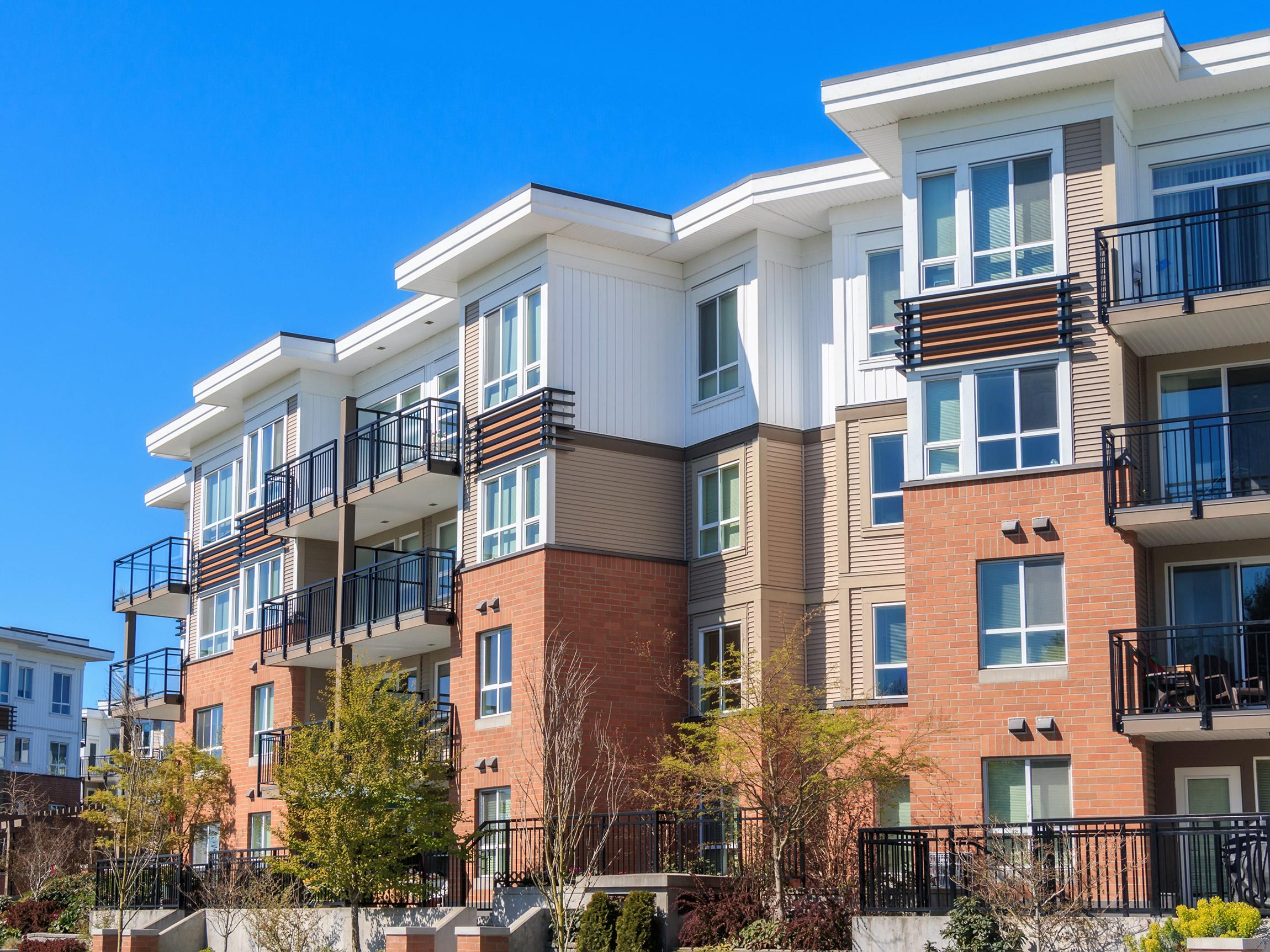
A multi-unit property, or income property, is a residential building that includes several rental units. This can include duplexes, triplexes, fourplexes, and even buildings with five units or more. Larger multi-unit properties are often favored by investors seeking to maximize long-term returns.

2. Duplex, Triplex, or Multiplex: Which Type Should You Choose?

The choice between a duplex, triplex, or multiplex depends on your investment goals and financial capacity.

Duplex or Triplex:
Less demanding in terms of management and maintenance, and generally requiring a smaller down payment. However, they also generate more modest rental income.

Multiplex (5 units or more):
Ideal for those looking to maximize rental income. These properties require more structured management but offer tax advantages and stronger long-term profitability.

3. How Do You Choose the Right Location?

The location of your multi-unit property is critical to its profitability and attractiveness to tenants. Key criteria include:

  • Proximity to essential services: schools, parks, public transit, shops, and restaurants
  • Growing neighborhoods: investing in an expanding area can lead to stronger long-term appreciation
  • High rental occupancy rates: look for areas with strong housing demand to minimize vacancy risk

4. How Do You Evaluate Profitability?

For a rental property to be profitable, it must cover its ongoing expenses while generating surplus income. Key expenses to consider include:

  • Mortgage payments
  • Insurance
  • Property and school taxes
  • Utilities
  • Maintenance costs

You can use the Gross Revenue Multiplier (GRM) to compare whether a targeted property is priced competitively relative to similar properties in the area.

The GRM is calculated by dividing the asking price by the annual gross rental income.

For example, if duplexes in a given area have an average GRM of 17.06, and the annual gross income is $45,660, you can calculate:

17.06 × $45,660 = price that aligns with local comparables

⚠️ Important: This is not an exact science. Many additional factors must be considered before making an informed decision.

Every investor has different priorities. Some prefer a larger down payment to reduce mortgage payments, while others focus on long-term property appreciation. A detailed financial analysis and professional guidance are essential.

5. What Expenses Are Associated with a Rental Property?

Expenses related to a multi-unit building are often similar to those of a single-family home, but they can be significantly higher due to the number of units. As an owner, you must plan for additional maintenance costs and, in some cases, hire a property manager or professional service.

Examples of deductible expenses include:

  • Property taxes
  • Home and liability insurance
  • Management and maintenance costs
  • Utilities (if included in rent)
  • Mortgage interest and banking fees

These expenses are generally deductible when filing your income tax return, helping reduce their financial impact.

6. How Can You Protect Yourself Before Buying?

Buying a plex or multi-unit property can be a profitable investment, but it also carries risks. Here’s how to prepare and avoid costly surprises.

Essential Steps to Secure Your Purchase:

  • Complete financial analysis: Review rental income and expenses from recent years to assess profitability and project viability.
  • Check with local authorities: Ensure there are no unpaid taxes, violations, or outstanding fines with the housing tribunal or municipality.
  • Professional inspection: Have the building inspected to identify necessary repairs and obtain a clear understanding of its condition.
  • Review the seller’s declaration: Read this document carefully and ask questions to avoid hidden defects.
  • Meet the tenants: Speak with current occupants to assess satisfaction levels and estimate turnover rates, which directly affect day-to-day management.

Why Work With Professionals?

Purchasing a plex is a complex project that combines financial opportunity with new responsibilities. To maximize your chances of success, surround yourself with experienced professionals such as real estate brokers, inspectors, and financial advisors. They can help you anticipate risks, evaluate interest rates and inflation, and navigate the specific dynamics of the real estate market.


Source: Centris.ca